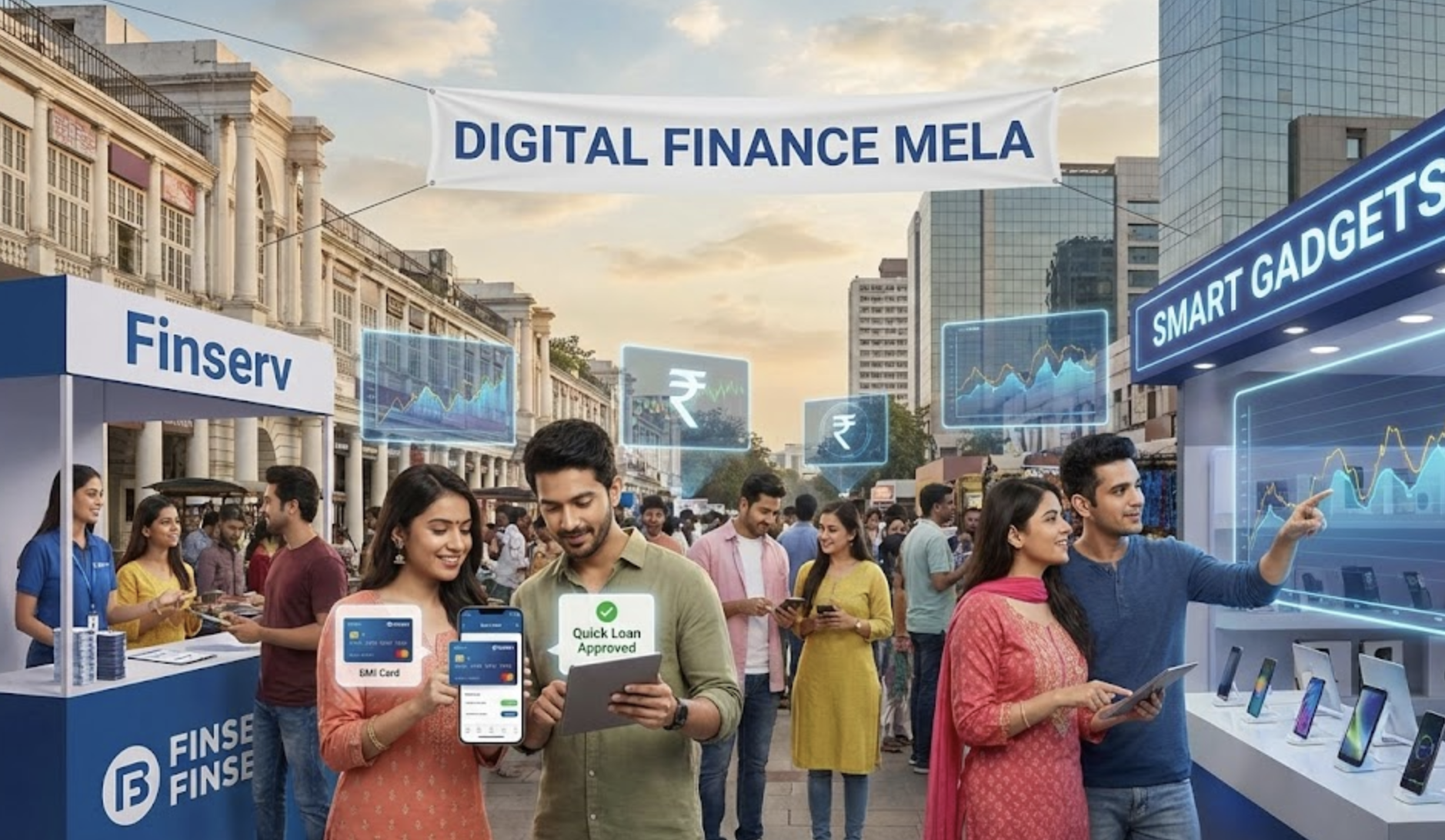
India’s borrowing habits are undergoing a dramatic transformation. While earlier generations associated loans with big-ticket needs like homes, education, or emergencies, the India of 2025 is borrowing for far more diverse and sometimes surprising reasons. According to a recent study by Home Credit India (as reported by Business Standard), 46% of Indian consumers now borrow money primarily to buy smartphones and household gadgets. As borrowing becomes easier than ever, concerns are rising too, especially with 84% of Indians expressing anxiety over intrusive data collection in digital lending.In this article, we break down what Indians borrow for, why borrowing patterns are changing so fast, and what it means for the future of consumer finance in India.
This shift signals more than just changing lifestyles; it reflects how technology, digital financing, and Gen Z aspirations are reshaping the nation’s credit behavior. Additionally, the report reveals that digital lending has officially overtaken traditional offline lending, with 51% of users preferring online loan channels. Even more interestingly, 65% of borrowers now favor EMI cards, showcasing a move toward flexible, convenient, small-ticket credit.
Smartphones & Gadgets: India’s Top Borrowing Priority

Once upon a time, buying a smartphone or appliance on EMI was viewed as unnecessary debt. However, things have changed dramatically.
Today, nearly half (46%) of Indians borrow specifically to purchase smartphones and everyday gadgets.
Why is this happening?
✔ Technology is no longer a luxury
Smartphones have become essential for:
- Work
- Online education
- UPI and digital payments
- Social connection
- Entertainment
- Access to government services
Therefore, people see smartphones as a basic necessity, not an indulgence.
✔ Frequent model upgrades
Because brands release new models every 6–12 months, consumers upgrade more often.
✔ Increase in gadget financing options
No-cost EMI, zero down payment, and app-based loans make it extremely easy to buy:
- Smartphones
- Smart TVs
- Laptops
- Washing machines
- Refrigerators
- Kitchen gadgets
- Wearables
✔ Digital India momentum
Digitalisation has made gadgets the gateway to livelihood opportunities especially for students, freelancers, gig workers, and small business owners.
Thus, borrowing for gadgets is now seen as a productive investment rather than an unnecessary expense.
Digital Lending Becomes the New Normal
Another major shift is India’s preference for digital lending over offline loans.
The study shows:
- 51% borrow digitally
- 49% prefer traditional or offline channels
This may seem like a small lead, but symbolically, it marks a pivotal turning point in India’s credit landscape.
What Indians Borrow For – Why are Indians choosing digital lending?
✔ Faster approvals
Loans are often approved within minutes.
✔ Minimal documentation
Aadhar, PAN, and mobile number are usually enough.
✔ Ease of comparison
Borrowers can compare interest rates and offers online.
✔ Better access
People living in Tier 2, Tier 3, and rural areas now have access to loans from their mobile phones.
✔ Convenience
Since people can apply anytime from anywhere, digital lending fits the fast-paced lifestyle of 2025.
Because of these advantages, digital lending is expected to dominate India’s credit market within the next few years.
EMI Cards: India’s Favorite New Credit Tool
The study also highlights that 65% of borrowers now prefer EMI cards. These cards allow consumers to convert purchases into EMIs instantly without a credit card.
Why are EMI cards becoming so popular?
- Zero or low interest
- Easy on-boarding
- Instant approvals
- No credit card required
- Perfect for gadget & appliance purchases
- Accepted at both online and offline stores
For many consumers, an EMI card is a safer, more convenient alternative to credit cards offering the same flexibility with fewer risks.
Gen Z: India’s Most Ambitious Borrowers
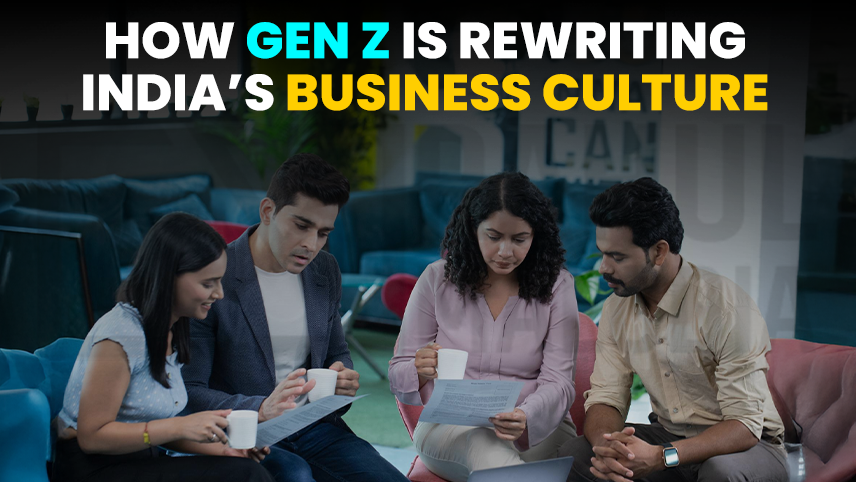
Gen Z (aged 18–27 in 2025) is driving significant borrowing behaviour changes.
According to the report, 35% of Gen Z borrowers want to start their own business.
What Indians Borrow For – Why is Gen Z borrowing so differently?
✔ Startup culture influence
With Shark Tank India, YouTube creators, and startup success stories, Gen Z wants to build, create, and own something of their own.
✔ Freelancing & content creation
Many borrow for:
- Laptops
- Cameras
- Editing software
- Phones
- Studio equipment
✔ Skill-growth mindset
Courses, certifications, and workshops are often funded with small loans.
✔ Desire for independence
Gen Z doesn’t want to wait until they’re older they want to start now.
Their borrowing patterns reflect ambition, not dependency.
Rising Concerns: Data Privacy & Digital Lending Risks
Although digital lending is booming, not everything is positive. The study notes that 84% of Indians are worried about intrusive data collection and misuse.
What Indians Borrow For – The primary concerns include:
- Apps accessing contacts
- Apps tracking location
- Data sharing with third parties
- Hidden charges
- Aggressive recovery practices
- Lack of transparency
- Misuse of personal information
Because of these risks, India is seeing stricter regulations, including the RBI’s guidelines for digital lenders and the banning of unauthorized lending apps.
What Indians Borrow For – Beyond Gadgets
While gadgets top the list, Indians borrow for many other reasons:
Common borrowing purposes in 2025
- Medical expenses
- Travel and lifestyle
- Education & skill courses
- Home renovations
- Vehicle purchases (two-wheelers especially)
- Starting small businesses
- Emergency needs
- Marriage expenses
However, the significant rise of gadget-related loans proves how technology has become central to modern Indian life.
The Future of Borrowing in India
India’s borrowing behavior is evolving rapidly, and several future trends are emerging.
What Indians Borrow For – Expected trends beyond 2025:
- AI-driven lending decisions
- Hyper-personalized loan offers
- More small-ticket loans (₹5,000–₹50,000)
- Growth in BNPL (Buy Now, Pay Later)
- Better consumer protection laws
- Transparent digital lending platforms
- Improved credit access for students and gig workers
Ultimately, borrowing will become more accessible, flexible, and digital but also more regulated and secure.
What Indians Borrow For- Conclusion
India’s borrowing culture is transforming fast. From gadgets to business dreams, today’s borrowers are driven by aspiration rather than necessity.
As the study shows:
- 46% borrow for smartphones & gadgets
- 51% prefer digital lending
- 65% use EMI cards
- 35% Gen Z borrowers plan to start ventures
- 84% worry about data privacy
These numbers reflect a nation that is young, ambitious, digitally connected, and evolving but also cautious.
Ultimately, What Indians Borrow For in 2025 tells a bigger story:
India is not just spending India is investing in its lifestyle, aspirations, and future.
What Indians Borrow For – FAQs
1. What do most Indians borrow money for in 2025?
Smartphones, gadgets, and home appliances are currently the top borrowing categories.
2. Why is digital lending growing in India?
Because it is faster, easier, and more accessible than offline lending.
3. Are EMI cards safer than credit cards?
Yes. They often come with lower interest, controlled spending, and easier approvals.
4. Why is Gen Z taking more loans?
To start businesses, purchase gadgets, upgrade skills, and pursue passion-based careers.
5. What are the risks of digital lending?
Data misuse, non-transparent charges, privacy concerns, and fraudulent apps.