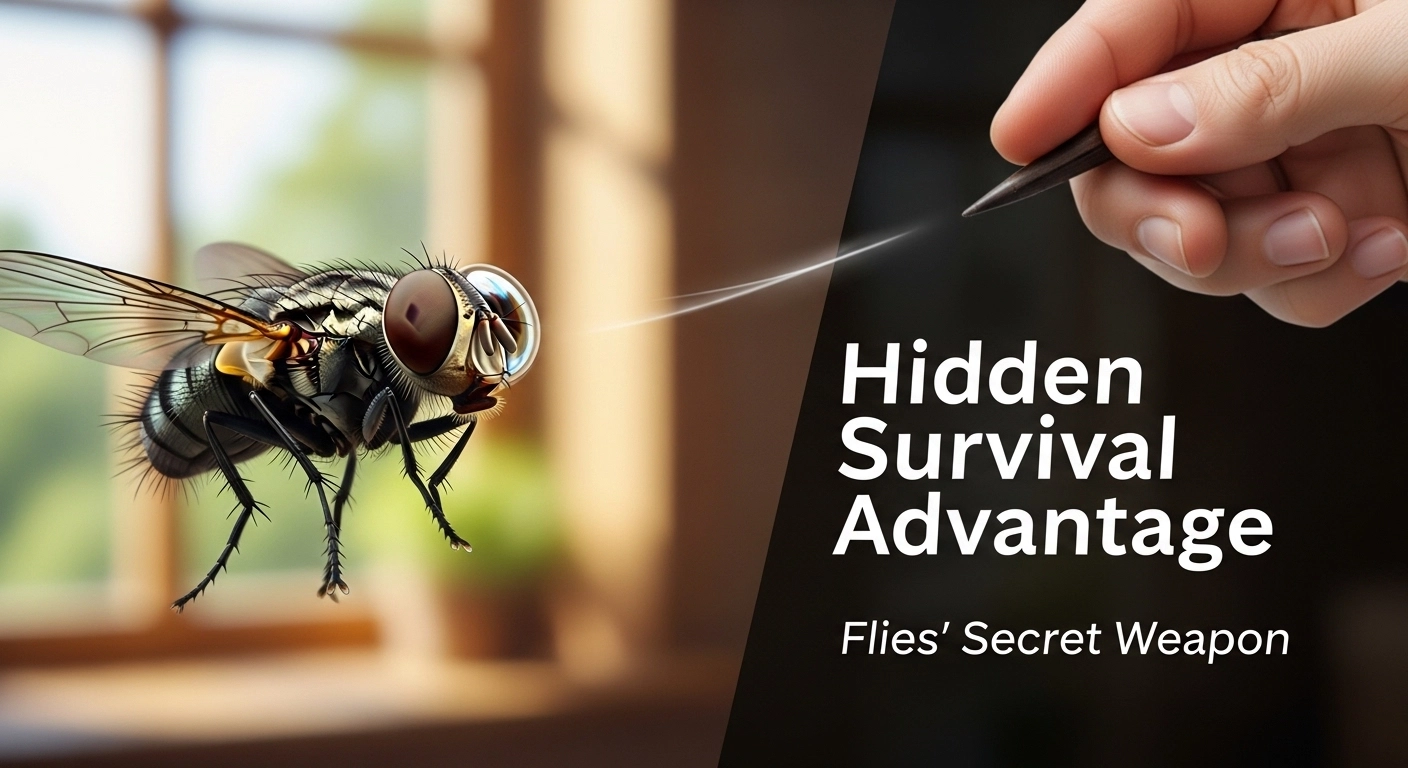
Almost everyone has experienced this. You see a fly sitting calmly on a wall or table. You move closer, maybe even slowly with an electric bat. And just before you strike, the fly is gone. Killing a fly feels far more difficult than killing a mosquito.
This isn’t bad luck or slow reflexes on your part. There is a hidden biological system inside a fly that makes escape almost automatic. Once you understand how it works, the mystery disappears.
Why Killing a Fly Is So Difficult Compared to a Mosquito
The main reason killing a fly is harder lies in reaction time and vision. Flies are not stronger than mosquitoes. They are not faster flyers either. But they see and react much faster.
A mosquito often notices danger only when you are very close. A fly notices danger before you even think you are close enough.
The Secret Weapon Behind Killing a Fly: Compound Eyes
One major reason killing a fly is difficult is its eyes. Flies have compound eyes, made up of thousands of tiny lenses.
This allows them to:
- Detect motion from almost every direction
- Notice even small changes in light or shadow
- Track movement extremely quickly
To a fly, your slow hand movement looks like a huge object approaching in slow motion. By the time you think about hitting it, the fly has already decided to leave.
Reaction Time: Why Killing a Fly Fails Again and Again
Another critical reason killing a fly is so hard is reaction speed.
- Human reaction time: ~200 milliseconds
- Fly reaction time: ~30 milliseconds
That means a fly reacts 6–7 times faster than a human.
Before your muscles even complete the movement, the fly’s nervous system has:
- Detected danger
- Calculated escape direction
- Activated takeoff
This happens automatically, without thinking.
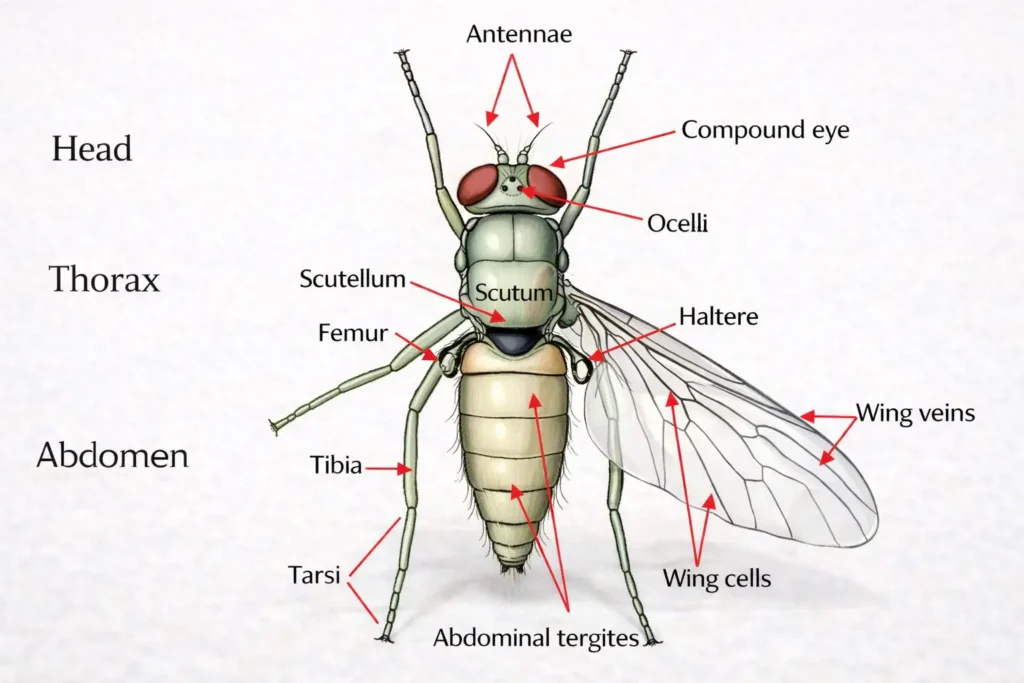
How a Fly Prepares to Escape Before You Strike
Here’s an unknown fact.
When a fly is resting, it:
- Already knows where its legs are
- Knows which direction is safest
- Preloads its muscles for takeoff
So when danger appears, the fly doesn’t “decide.”
It simply executes.
This pre-programmed behavior is why killing fly almost always fails at close range.
Why Killing a Fly Is Easier When It’s Cold or Tired
Temperature plays a huge role in killing a fly. Flies are cold-blooded insects.
When it’s:
- Cold
- Early morning
- Late evening
Their muscles slow down.
That’s why:
- Flies move sluggishly in winter
- Killing a fly feels easier in cooler environments
Heat gives them speed. Cold takes it away.
Why Mosquitoes Are Easier Targets Than Killing a Fly
Mosquitoes behave differently.
They:
- Focus on feeding
- Lock onto body heat and smell
- Become less aware of sudden motion
This tunnel vision makes mosquitoes easier to hit.
Flies, on the other hand:
- Are always alert
- Constantly scanning for threats
- Prioritize survival over everything
That’s why killing a fly feels much harder than killing a mosquito.

Common Myths About Killing a Fly
❌ Flies are just lucky
No. Their escape is biological, not luck.
❌ They sense fear or intention
They only sense movement and light changes.
❌ Electric bats are useless against flies
They work but only if the fly is already trapped or slow.
Why Killing a Fly Is Actually a Survival Lesson
This unknown fact reveals something fascinating.
Flies survive in a world full of:
- Birds
- Predators
- Swatting hands
They evolved one of the best escape systems in nature.
The reason killing a fly is difficult is the same reason flies still exist today.
Survival favored speed, awareness, and instant reaction.
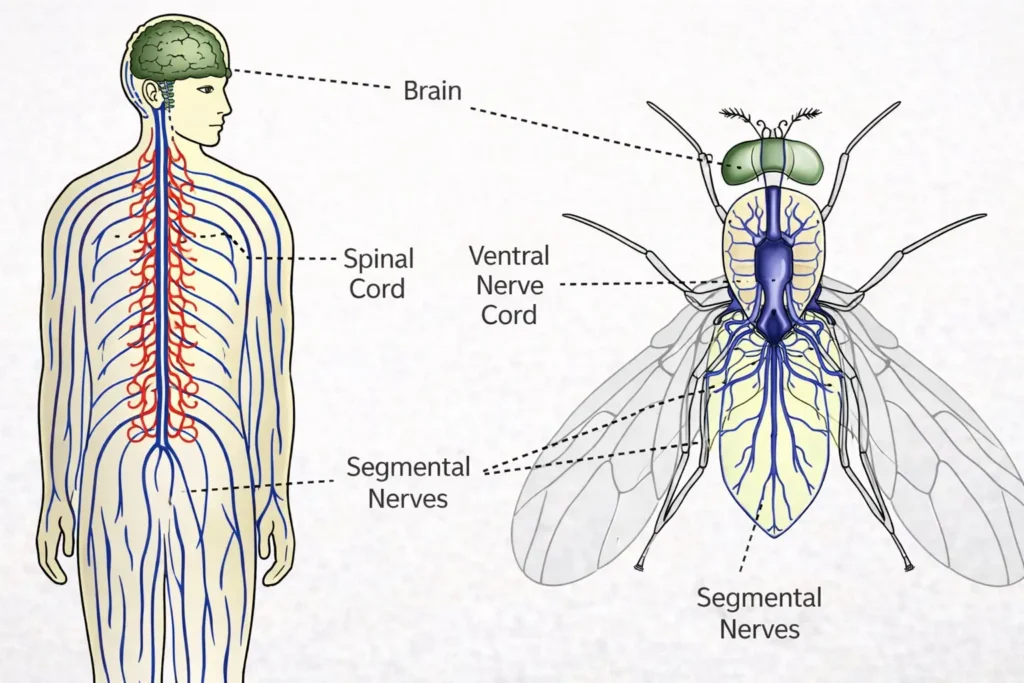
Why This Unknown Fact Matters
This isn’t just about insects.
It reminds us that:
- Nature solves problems efficiently
- Small creatures can have powerful advantages
- Speed often beats strength
Sometimes, the hardest things to catch aren’t the strongest but the smartest.
Read more articles on Unknown Facts
For scientific explanations of insect vision and reaction time
Conclusion: Why Killing a Fly Feels Impossible
Killing a fly isn’t hard because you are slow. It’s hard because the fly is built to escape. With near-360° vision, lightning-fast reactions, and pre-loaded muscles, a fly lives one step ahead of danger.
That tiny insect on your wall is running one of nature’s most efficient survival systems. And now, you know why.
FAQs – Killing a Fly
1. Why is killing a fly so difficult?
Because flies have extremely fast reaction times and wide-angle vision.
2. Do flies really see in slow motion?
Yes. Their brains process movement much faster than humans.
3. Is it easier to kill a fly at night?
Yes. Flies slow down in cooler temperatures and low light.
4. Why do flies escape electric bats so easily?
They detect the approaching movement before the bat reaches them.
5. Are flies smarter than mosquitoes?
They are more alert and have better escape instincts.