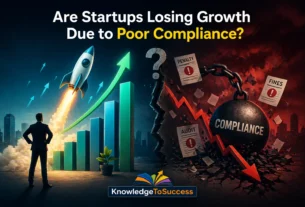
Many founders focus on product, growth, and customers. Very few focus on legal protection. Starting a startup without proper registration may seem harmless in the beginning. You might think, I’ll register once revenue grows. But that delay exposes you to serious risks, some of which can permanently damage your business.
This article explains the major legal risks of running a startup without proper registration, how they affect founders personally, and why early compliance is not optional.
Why Proper Registration Matters Legally
Registration is not just paperwork.
It creates:
- A separate legal identity
- Limited liability protection
- Recognised ownership
- Contract enforceability
- Regulatory clarity
Without it, your startup is legally fragile.
1️⃣ Unlimited Personal Liability

The biggest legal risk is personal exposure.
If you operate informally:
- You are personally liable
- Your savings are at risk
- Your personal assets can be attached
A lawsuit, unpaid vendor bill, or tax notice can directly hit you, not just the business.
Proper registration separates you from your company.
2️⃣ Contract Enforcement Problems
Unregistered businesses often face:
- Difficulty enforcing contracts
- Weak legal standing in disputes
- Trust issues with enterprise clients
If a client refuses payment, your legal options shrink.
A registered entity gives your contracts legal weight.
3️⃣ Tax and Regulatory Exposure
Operating without proper registration can lead to:
- GST penalties
- Income tax complications
- Retrospective tax notices
- Interest and fines
Tax authorities do not ignore informal operations.
Compliance mistakes grow more expensive over time.
Read Previous Article on Startup Guides India.
4️⃣ Difficulty Raising Funding
Investors avoid startups that:
- Lack formal structure
- Have unclear ownership
- Operate without compliance history
Before investing, investors conduct legal due diligence. If registration is missing or delayed, funding collapses.
5️⃣ Brand and Credibility Damage
Clients, especially:
- Corporates
- Government entities
- International partners
Prefer registered companies.
An unregistered business often appears temporary or risky.
Credibility is not just marketing, it’s legal stability.
6️⃣ Intellectual Property Risks
Without proper registration:
- IP ownership becomes unclear
- Founder disputes increase
- Investors hesitate
When the business and the individual are legally mixed, asset ownership becomes messy.
7️⃣ Exit and Acquisition Barriers
Acquirers want:
- Clear ownership
- Clean legal history
- Formal structure
Unregistered startups face:
- Lower valuations
- Delayed deals
- Deal termination
Legal structure directly impacts exit opportunities.
Common Founder Mistakes
- Delaying registration to “save cost”
- Mixing personal and business finances
- Ignoring GST thresholds
- Signing contracts without entity protection
These shortcuts often create long-term risks.
When Should a Startup Register?
You should register before:
- Signing large contracts
- Hiring employees
- Raising funding
- Scaling revenue significantly
Early registration costs less than fixing problems later.
Which Structure Minimizes Legal Risks?
- Sole Proprietorship → Highest personal risk
- LLP → Moderate protection
- Private Limited Company → Strongest shield
Choosing the right structure significantly reduces exposure.
Final Verdict: Legal Risk Is Silent Until It Isn’t
Most legal problems don’t show up in the first month.
They show up:
- During disputes
- During tax scrutiny
- During funding
- During exits
By then, it’s expensive to fix.
Proper registration is not a formality. It is your legal safety net.
FAQs
1. Is it illegal to run a startup without registration?
Not always illegal, but highly risky and non-compliant in many scenarios.
2. Can I register later after revenue starts?
Yes, but delays increase legal exposure.
3. What is the safest structure?
Private Limited Company offers maximum protection.
4. Does registration protect personal assets?
Yes, if structured properly.
5. Do investors check legal registration?
Always. It’s part of standard due diligence.