Many startup founders assume becoming a director is just a title. However, under the Companies Act 2013, a director carries serious legal accountability. The law clearly defines Director Responsibilities and Liabilities, and ignorance is never accepted as an excuse.
A single compliance lapse can trigger penalties, disqualification, or even personal liability. Therefore, every startup founder must understand what the law expects from them.
This article breaks down Director Responsibilities and Liabilities in simple language. No legal jargon. Just clarity.
What Are Director Responsibilities and Liabilities Under Companies Act 2013?
Under the Companies Act 2013, directors are legally bound to act in the best interest of the company.
Director Responsibilities and Liabilities include:
- Acting in good faith
- Avoiding conflict of interest
- Ensuring compliance with statutory requirements
- Protecting company assets
- Maintaining transparency
The law does not treat startups differently. A small company is equally accountable.
You can verify official provisions from the Ministry of Corporate Affairs at https://www.mca.gov.in.
Core Director Responsibilities Under Companies Act 2013
1. Duty to Act in Good Faith
Directors must prioritize company interest over personal gain. If a decision benefits you personally but harms the company, it may be challenged.
2. Duty of Care and Diligence
Directors are expected to make informed decisions. Careless approvals without reviewing financials can result in liability.
3. Avoiding Conflict of Interest
If a director has financial interest in a contract, it must be disclosed. Hidden interests are punishable.
4. Compliance Oversight
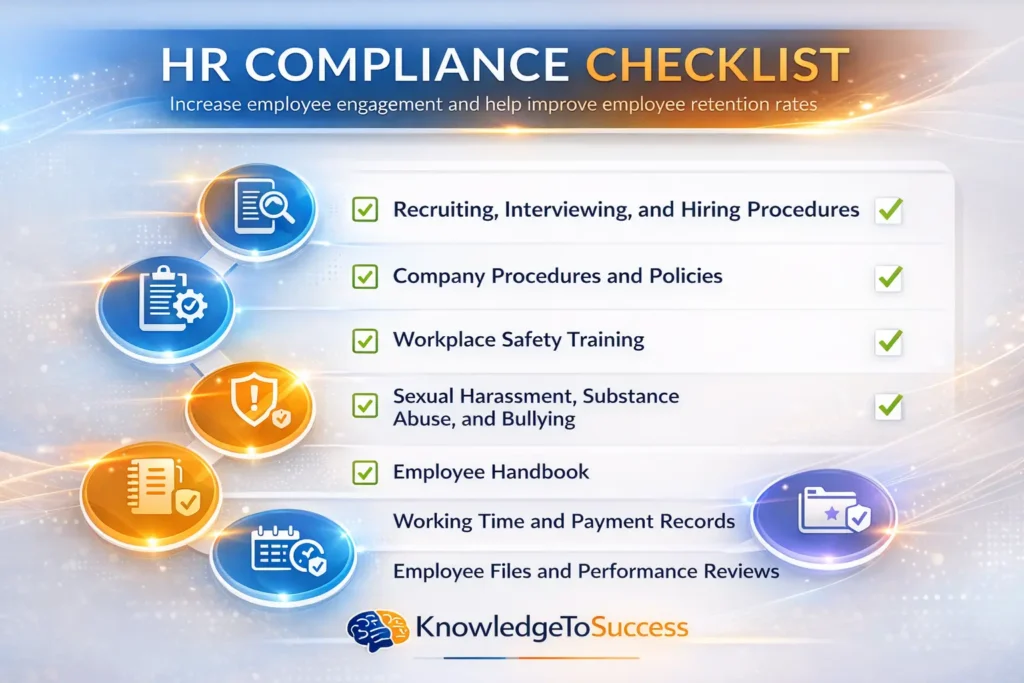
Ensuring ROC filings, tax compliance, board meetings, and statutory audits fall under Director Responsibilities and Liabilities.
Failure to monitor compliance does not shield directors from penalty.
Director Liabilities: Where Real Risk Begins
Director Liabilities arise when responsibilities are ignored.
Common legal exposures include:
- Monetary penalties
- Imprisonment in serious fraud cases
- Director disqualification
- Personal liability in cases of negligence
- Civil suits by shareholders
If a company fails to file financial statements for three consecutive years, directors can be disqualified for five years.
This risk is real. It is not theoretical.
How Director Responsibilities and Liabilities Impact Startup
Startup founders often wear multiple hats. However, wearing many hats does not dilute accountability.
Director Responsibilities and Liabilities affect:
- Funding readiness
- Due diligence outcomes
- Valuation
- Exit deals
- Personal reputation
Investors check compliance records before investing. Missed filings reduce trust instantly.
According to Harvard Business Review, governance discipline significantly improves investor confidence and long-term valuation.
Step-by-Step Framework to Reduce Startup Director Risk
Step 1: Maintain a Compliance Calendar
Track ROC filings, AGM deadlines, tax returns, and audit schedules.
Step 2: Conduct Regular Board Meetings
Minimum four per year for private limited companies.
Step 3: Document Every Major Decision
Maintain written board resolutions.
Step 4: Avoid Informal Financial Practices
Separate personal and company finances.
Step 5: Seek Professional Review
Consult a CA or CS annually.
Director Responsibilities and Liabilities reduce dramatically when governance becomes systematic.
Common Director Mistakes That Lead to Liability
- Ignoring ROC filing deadlines
- Signing documents without review
- Lending personal funds without documentation
- Approving transactions involving relatives without disclosure
- Assuming accountant handles everything
Most penalties arise from neglect, not fraud.
Practical Director Compliance Checklist
| Task | Frequency |
|---|---|
| Board Meetings | Quarterly |
| ROC Filings | Annual |
| Financial Audit | Annual |
| Director KYC | Annual |
| Disclosure of Interest | As required |
This checklist protects against avoidable Director Liabilities.
Criminal vs Civil Liability for Directors
Not all liabilities are equal.
- Civil liability involves fines and compensation.
- Criminal liability may involve prosecution.
Fraud, misrepresentation, and intentional misconduct invite criminal action.
However, most startup cases relate to compliance negligence.
Independent Directors vs Executive Directors
Independent directors carry limited liability if they acted diligently and without knowledge of wrongdoing.
Executive directors bear broader responsibility.
Understanding your designation is critical.
Personal Asset Protection and Limited Liability
Limited liability protects directors in most cases.
However, personal liability arises if:
- Fraud is proven
- Personal guarantees are signed
- Wrongful trading is established
Therefore, Director Responsibilities and Liabilities extend beyond paperwork.
Important Notes for Startup Founders
- Even inactive companies must comply
- Ignorance of law is not a defense
- Director resignation does not erase past liability
- Compliance culture improves valuation
Meanwhile, structured governance signals maturity.
Read More Article on Startup Guides India.
Conclusion: Governance Is a Competitive Advantage
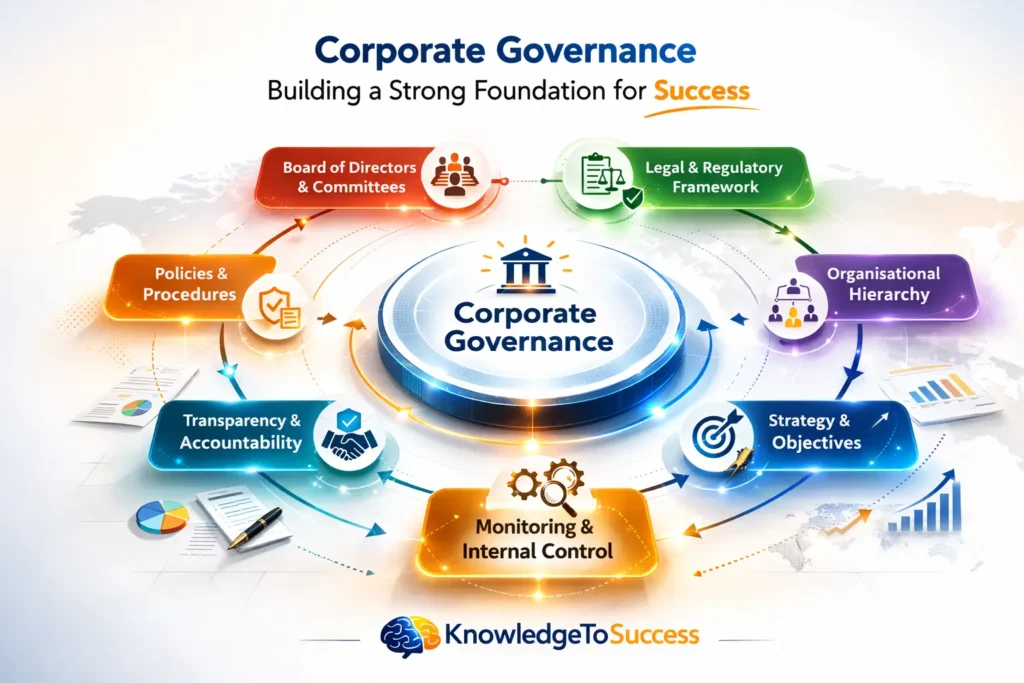
Director Responsibilities and Liabilities are not just legal obligations. They are leadership obligations.
Founders who understand compliance:
- Raise funds faster
- Avoid regulatory stress
- Protect personal assets
- Build long-term credibility
Startups fail for many reasons. However, avoidable legal risk should not be one of them.
Next in this series: Difference Between Statutory Audit and Internal Audit for Startup
FAQs
1. What are Startup Director Responsibilities and Liabilities under Companies Act 2013?
They include acting in good faith, ensuring compliance, avoiding conflicts, and protecting company interests.
2. Can a startup director be personally liable for company debts?
Yes, in cases of fraud, negligence, or personal guarantees.
3. What happens if startup directors ignore ROC filings?
They may face penalties or disqualification.
4. Are startup directors treated differently under law?
No. The Companies Act applies equally.
5. How can startup directors reduce liability risk?
By maintaining compliance, documentation, and professional oversight.