Artificial intelligence is reshaping marketing. Content creation, research, campaign planning, and even customer communication are now assisted by AI tools. However, many marketers still use these tools inefficiently. They type simple prompts and expect perfect output. Unfortunately, AI does not work that way. To get high-quality results, marketers must learn Large Language Model Optimization in Marketing.
This skill involves guiding AI systems such as ChatGPT and other generative models to produce better responses, more accurate insights, and more strategic content.
When optimized correctly, large language models can significantly improve marketing productivity.
Why LLM Optimization Matters for Modern Marketing
Artificial intelligence tools are becoming widely available.
However, simply using AI tools does not guarantee results.
Marketers who understand Large Language Model Optimization in Marketing gain an advantage because they know how to guide AI systems effectively.
According to Harvard Business Review, generative AI has the potential to significantly increase productivity in knowledge-based work.
Meanwhile, insights shared by LinkedIn highlight AI-related skills as some of the fastest-growing professional capabilities.
The difference lies in how the tools are used.
Unoptimized AI use leads to generic output.
Optimized AI workflows produce strategic insights and high-quality content.
What Is Large Language Model Optimization?
Large language model optimization refers to improving how AI systems generate responses.
This can involve:
- crafting structured prompts
- providing clear context
- refining outputs through iteration
- controlling tone and style
- improving accuracy and relevance
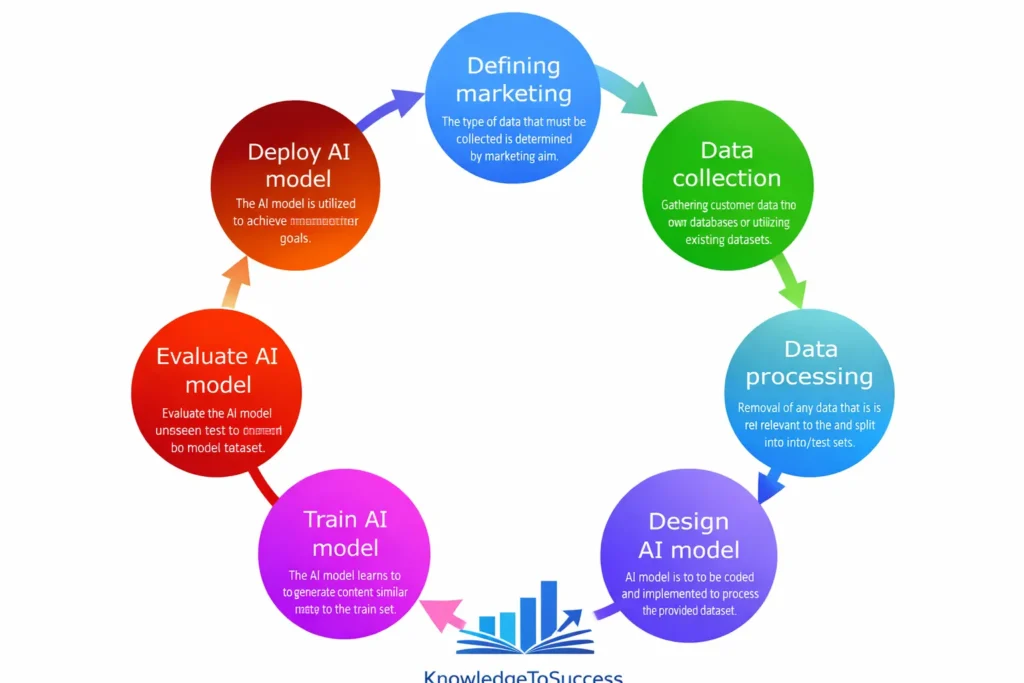
In marketing, optimized LLM workflows can help teams:
- generate campaign ideas
- write marketing copy
- conduct competitor research
- analyze customer feedback
- develop content strategies
Instead of replacing marketers, LLM optimization enhances their capabilities.
Core Elements of LLM Optimization in Marketing
Clear Prompt Structure
AI performs best when instructions are precise.
Good prompts include:
- audience description
- objective
- format requirement
- tone or style guidelines
This clarity helps the model produce more useful responses.
Contextual Inputs
The more context provided, the better the results.
For example, include:
- brand positioning
- target customer profile
- campaign goals
Context transforms generic output into relevant marketing content.
Iterative Refinement
AI responses improve through iteration.
Marketers should refine outputs by asking follow-up prompts such as:
- make the tone more persuasive
- simplify the message
- focus on benefits instead of features
This process gradually improves quality.
Human Review
AI outputs must always be reviewed.
Fact checking, brand alignment, and ethical considerations remain essential responsibilities for human marketers.
Step-by-Step Framework for LLM Optimization in Marketing
Step 1: Define the Marketing Objective
Before using AI, clarify the goal.
Examples include:
- generating blog content ideas
- writing product descriptions
- analyzing customer reviews
Clear objectives produce better AI responses.
Step 2: Provide Detailed Context
Include relevant information such as:
- brand voice
- target audience
- campaign goals
This ensures AI output matches marketing requirements.
Step 3: Specify the Desired Format
Instead of asking for general text, request structured output.
For example:
- bullet lists
- campaign frameworks
- content outlines
- marketing checklists
Structured output improves usability.
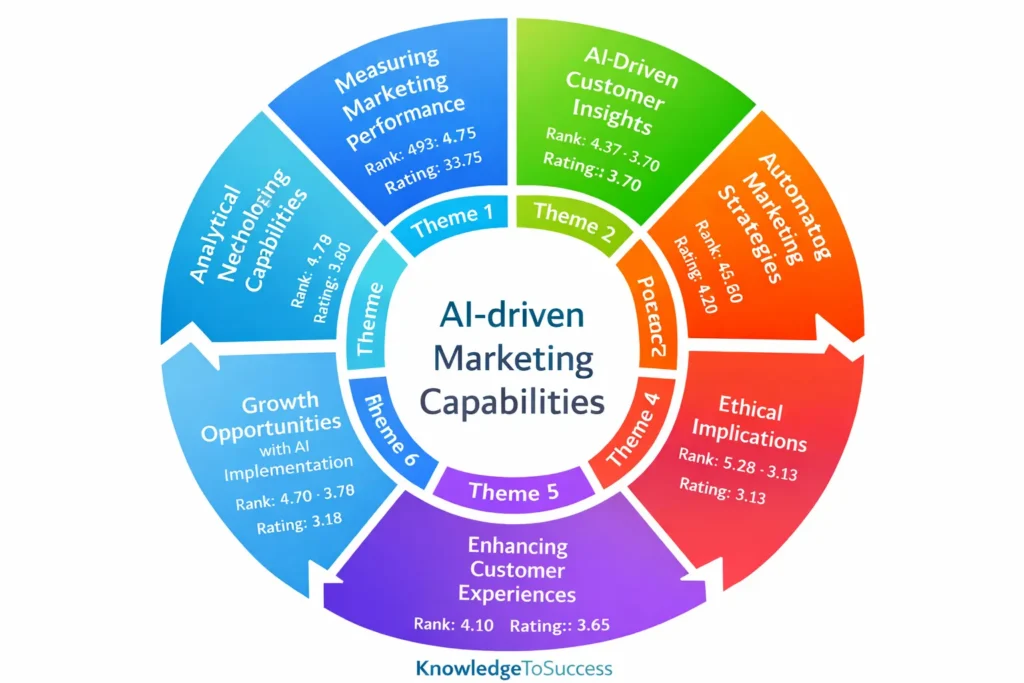
Step 4: Evaluate the Output
Assess the response based on:
- clarity
- accuracy
- marketing relevance
- brand consistency
If necessary, refine the prompt.
Step 5: Integrate AI into Marketing Workflow
Once optimized, LLM tools can support:
- content production
- research analysis
- campaign planning
- customer engagement
This significantly increases marketing efficiency.
Learn AI and Decision Intelligence from LinkedIn
If you want structured training on intelligent decision-making and AI-powered thinking, explore this LinkedIn Learning course.
💡 Learn decision intelligence and strategic thinking (free LinkedIn Learning course until March 23 2026)
Learning structured AI strategies strengthens Large Language Model Optimization in Marketing.
Common Mistakes When Using AI in Marketing
Many marketers misuse AI tools.
Writing vague prompts
Generic instructions produce generic results.
Ignoring brand tone
AI responses may not align with brand voice.
Over-relying on automation
Human judgment remains essential.
Skipping fact checking
AI-generated content can sometimes include incorrect information.
Not refining prompts
Iterative improvement significantly enhances results.
Practical LLM Optimization Checklist
Before publishing AI-generated marketing content, verify:
| Checklist | Status |
|---|---|
| Prompt clearly defined | |
| Context provided | |
| Output reviewed for accuracy | |
| Brand tone verified | |
| Marketing objective achieved |
This process ensures AI contributes meaningful value.
Founder Perspective: Why LLM Optimization Matters
For startups and founders, LLM optimization provides a powerful advantage.
AI can support:
- faster content creation
- efficient market research
- improved marketing productivity
- reduced operational costs
However, success depends on strategic use of these tools.
In India, founders can review business and compliance guidelines through the Ministry of Corporate Affairs:
Read More Article on Marketing Skills.
Conclusion
Artificial intelligence is becoming an essential part of modern marketing.
However, the true advantage comes not from simply using AI tools but from mastering Large Language Model Optimization in Marketing.
By learning how to structure prompts, provide context, refine outputs, and integrate AI into workflows, marketers can dramatically improve productivity and campaign effectiveness.
AI will not replace marketers.
But marketers who understand AI will outperform those who do not.
In the next article of this series, we will explore Event Planning and Coordination Skills in Marketing and how live experiences strengthen brand impact.
Frequently Asked Questions
What is large language model optimization in marketing?
It is the process of guiding AI language models to generate accurate, relevant, and strategic marketing outputs.
Why is LLM optimization important for marketers?
Because optimized prompts and workflows significantly improve AI-generated marketing content and insights.
Which tools use large language models?
Many AI assistants, chatbots, and content-generation platforms rely on large language models.
Can beginners learn LLM optimization?
Yes. With practice and structured prompting techniques, marketers can quickly improve results.
Does AI replace marketing professionals?
No. AI supports marketing tasks, but strategic thinking and creativity still require human expertise.