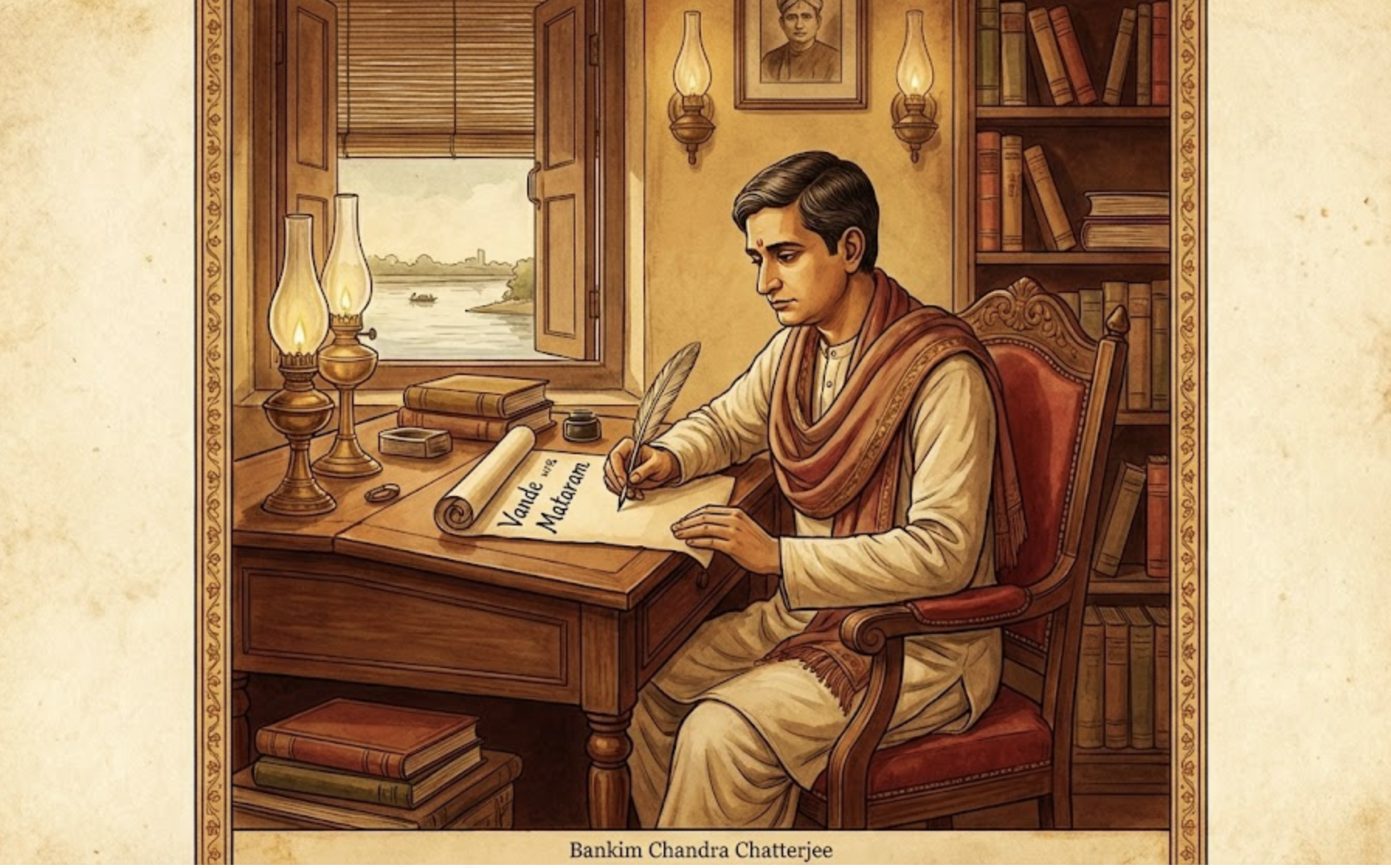
The Lok Sabha Debate on 150 Years of Vande Mataram became one of the most emotionally charged and widely discussed sessions of the year. What was expected to be a moment of cultural celebration quickly evolved into a heated political and ideological exchange. As lawmakers paid tribute to Bankim Chandra Chatterjee’s iconic composition, disagreements surfaced around its interpretation, historical context, and contemporary relevance.
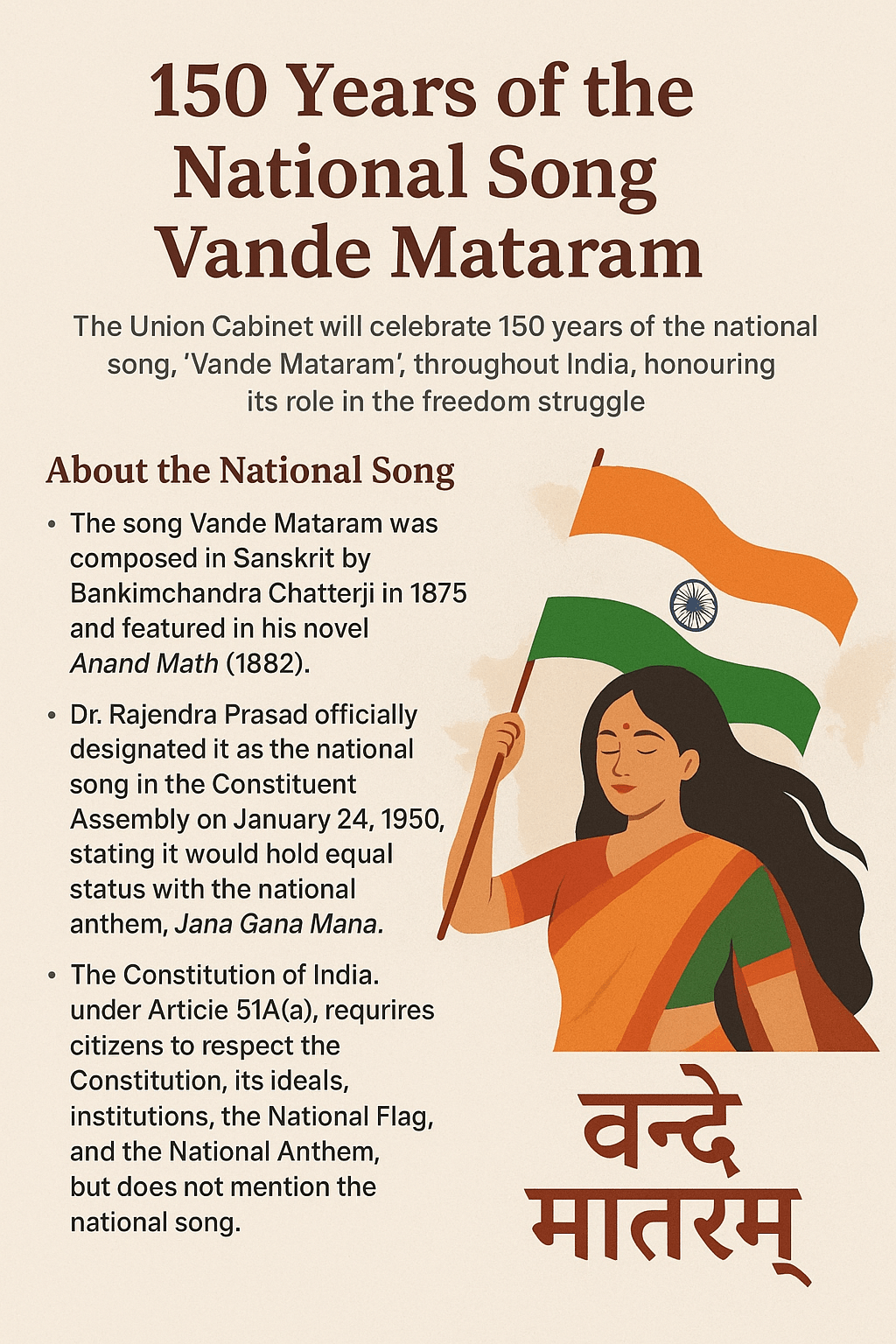
The debate highlighted not only the national song’s deep emotional significance but also the complex relationship between cultural heritage and modern political discourse. Consequently, the session turned into a reflection of India’s evolving identity.
Why the Lok Sabha Debate on 150 Years of Vande Mataram Became So Intense
Although the discussion began as a tribute to the song’s 150-year legacy, it expanded into several topics—including nationalism, inclusivity, historical interpretation, and differing political viewpoints.
✔ A symbol of freedom, yet a subject of debate
Vande Mataram is widely regarded as one of the most inspiring creations of India’s freedom movement. However, interpretations vary across groups, and these differences resurfaced during the session.
✔ Disagreements on compulsory recitation
Some MPs argued that the national song should be recited in Parliament and schools more frequently, while others emphasised that patriotism must not be imposed.
✔ Questions around cultural representation
A section of legislators highlighted that national symbols should unify diverse communities, not create new divides.
Because of these differing perspectives, the debate became more emotional than planned.
The Legacy of Vande Mataram and Why It Still Matters
Vande Mataram was penned by Bankim Chandra Chatterjee in 1875 and later became the rallying cry of India’s independence struggle. Furthermore, it inspired countless freedom fighters and played a pivotal role in shaping India’s nationalist consciousness.
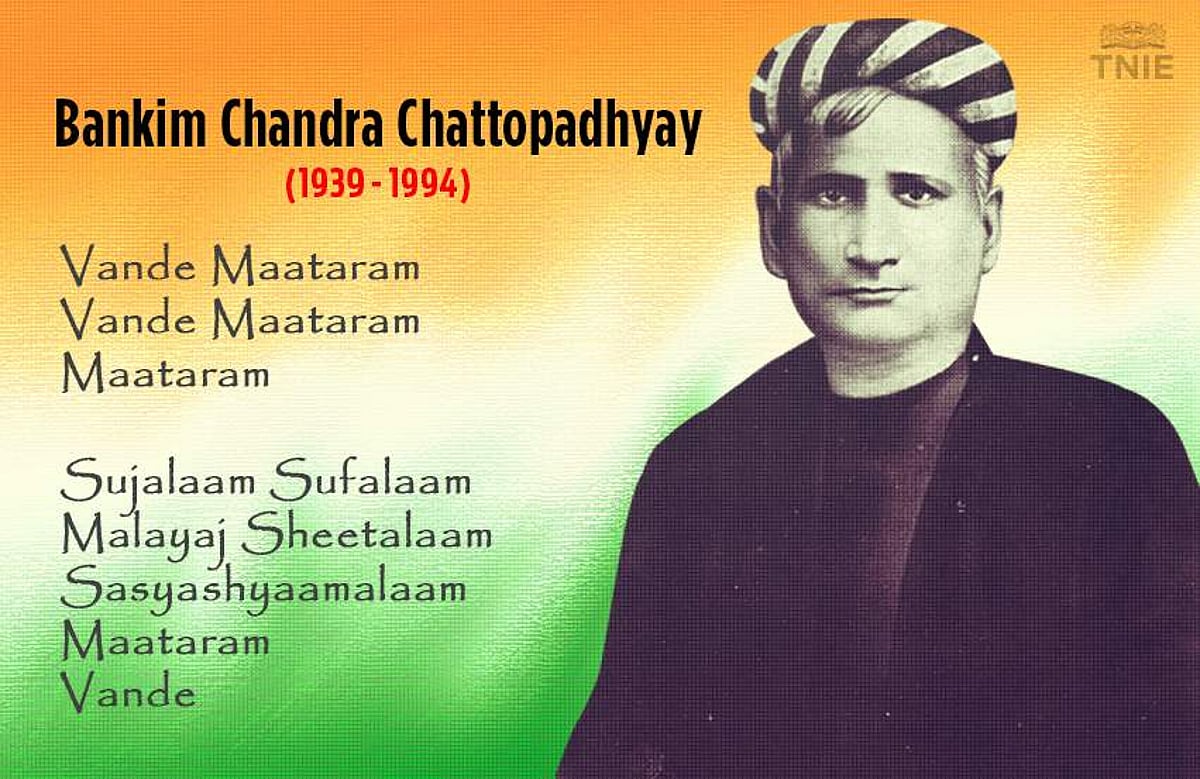
Why it remains culturally significant
- It represents India’s cultural unity
- It symbolises resistance against colonial rule
- It continues to evoke patriotic emotion
- It is recognised by the Constitution as the National Song of India
For readers interested in the broader evolution of Indian identity and political symbolism, see our internal guide on How National Narratives Shape Modern India (internal link placeholder).
For an authoritative historical source, read the Ministry of Culture’s archive on Vande Mataram (external link: https://indiaculture.gov.in).
What Exactly Sparked the Heated Exchanges in Parliament?
The tension did not arise from the song itself but from differing proposals and interpretations.
✔ Debate over compulsory vs voluntary recitation
One group argued that reciting Vande Mataram strengthens national unity. Another group raised concerns about forcing any cultural practice onto citizens.
✔ Historical interpretations
Some MPs referenced passages from Bankim Chandra’s novel Anandamath, where the song originally appears. Their interpretations led to contrasting views on inclusivity.
✔ Political undertones
As with many parliamentary debates, political rivalry amplified the discussion. Consequently, an event intended as a tribute evolved into a passionate defence of different ideological positions.
Lok Sabha Debate on 150 Years of Vande Mataram and Its Cultural Dimensions
This debate revealed something larger: the way India revisits historic symbols to understand modern identity.
✔ A bridge between past and present
The session reminded citizens that national symbols evolve in meaning over time.
✔ A reflection of diversity
India’s strength lies in its ability to hold multiple perspectives. The passionate debate showed the dynamic nature of democracy itself.
✔ A chance to re-examine heritage thoughtfully
Rather than avoiding difficult conversations, such discussions encourage deeper cultural clarity.
What Political Parties Said During the Debate
Though each party paid tribute to the song, their viewpoints varied:
The ruling party:
- Emphasised national pride
- Suggested wider adoption of the song
- Criticised opposition for “politicising patriotism”
Opposition parties:
- Acknowledged the song’s historic value
- Warned against compulsion and misinterpretation
- Highlighted the importance of secular inclusivity
Even though disagreements surfaced, most leaders agreed that Vande Mataram remains an integral part of India’s cultural heritage.
Why Debates Like These Matter for India’s Democracy
The Lok Sabha Debate on 150 Years of Vande Mataram reflects how national heritage continues to influence modern political discourse.
Such debates matter because:
✔ They preserve historical memory
✔ They encourage democratic dialogue
✔ They highlight cultural sensitivity
✔ They shape future policy interpretations
Moreover, debates around cultural symbols help societies evolve with awareness rather than routine acceptance.
⭐ Conclusion – A Tribute, A Debate, and a Reminder
The 150th anniversary of Vande Mataram was intended as a moment of celebration. Yet the Lok Sabha Debate on 150 Years of Vande Mataram showed how deeply national symbols are connected to identity, memory, and emotion.
Although opinions clashed, the debate ultimately reaffirmed the importance of discussing cultural heritage openly. As India moves forward, such conversations ensure that patriotism remains meaningful, inclusive, and rooted in democratic values.
❓ FAQ
1. Why was the Lok Sabha debate on 150 Years of Vande Mataram heated?
Because MPs differed on interpretations, historical context, and whether recitation should be mandatory.
2. What was the purpose of marking 150 Years of Vande Mataram?
To honour its legacy and its contribution to India’s freedom movement.
3. Who wrote Vande Mataram?
Bankim Chandra Chatterjee wrote it in 1875 and included it in his novel Anandamath.
4. Is Vande Mataram India’s national song?
Yes, the Constitution recognises it as the National Song of India.
5. How is Vande Mataram relevant today?
It continues to inspire patriotism while prompting important conversations about national identity.