Most candidates prepare for interviews by reading questions, revising resumes, and watching videos. However, very few candidates practice interviews the way athletes practice before a match. That’s exactly where Mock Interviews come in. Understanding the power of mock interview for success can completely change how you perform on interview day.
Mock interview are not just practice sessions. Instead, they are simulations that expose your blind spots, reduce fear, and sharpen delivery. While skills get you shortlisted, mock interview often decide whether you get selected.
In this article, we’ll explore why mock interview matter so much, how to use them correctly, and how they give you a serious edge over equally qualified candidates.

Why Mock Interview Matter More Than You Think
Many candidates believe mock interview are optional. In reality, they are one of the fastest ways to improve interview performance.
Mock interview help you:
- Convert knowledge into clear answers
- Identify weak or confusing responses
- Improve body language and tone
- Reduce nervousness through repetition
- Build real confidence, not fake confidence
According to Harvard Business Review, practice under realistic conditions significantly improves performance in high-pressure situations. Therefore, mock interview are not extra work they are smart work.
3 Best Topics to Focus on During Mock Interview
To get the maximum benefit, mock interview should not be random. Instead, they should focus on specific areas that directly impact hiring decisions.
🔹 Topic 1: Answer Structure & Clarity (What You Say)
Many candidates know the answer but fail to communicate it clearly. Mock interview expose this gap immediately.
What to Practice
- Structuring answers logically
- Staying on point
- Avoiding long, confusing explanations
- Using examples instead of theory
For example, mock interview quickly reveal whether your answers are:
- Too long
- Too vague
- Too technical
- Missing outcomes
As a result, you learn to deliver crisp, confident answers that interviewers can follow easily.
🔹 Topic 2: Communication, Body Language & Confidence (How You Say It)
Even strong answers lose impact if delivery is weak. Therefore, mock interview must focus on non-verbal cues as well.
What to Observe
- Eye contact
- Voice clarity and pace
- Posture and gestures
- Facial expressions
- Filler words like “umm” or “actually”
Practicing in front of another person or even a camera makes you aware of habits you never notice otherwise. Over time, this awareness builds natural confidence.
🔹 Topic 3: Handling Pressure & Unexpected Questions (How You React)
Real interviews are unpredictable. Mock interview prepare you for that reality.
What to Simulate
- Follow-up questions
- Situational or behavioral questions
- “What if” scenarios
- Questions you don’t know the answer to
When you practice handling uncertainty, you stop panicking. Instead, you learn how to pause, think, and respond calmly.
This skill alone separates average candidates from strong ones.
Different Types of Mock Interview You Can Use
Not all mock interview look the same. Therefore, choose the format that suits your needs.
1. Peer Mock Interview
- Conducted with friends or colleagues
- Useful for early-stage practice
2. Mentor or Expert Mock Interview
- Conducted by experienced professionals
- Provide high-quality feedback
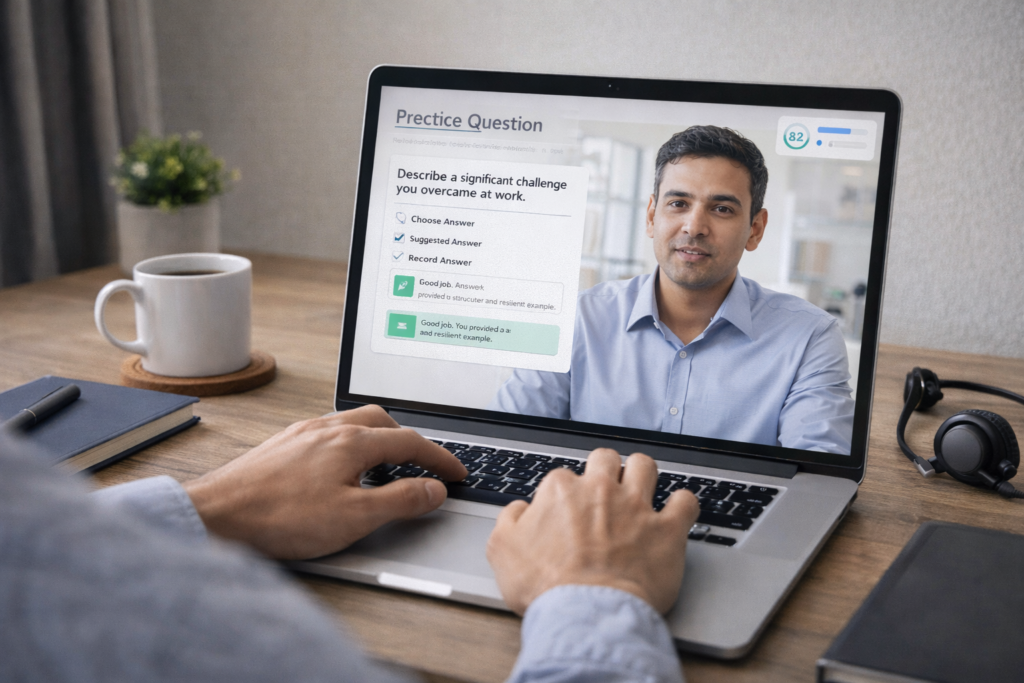
3. AI-Based Mock Interviews
- Useful for repetition and confidence
- Good for beginners
4. Self-Recorded Mock Interviews
- Helps identify body language and clarity issues
Ideally, combine two or more formats for best results.
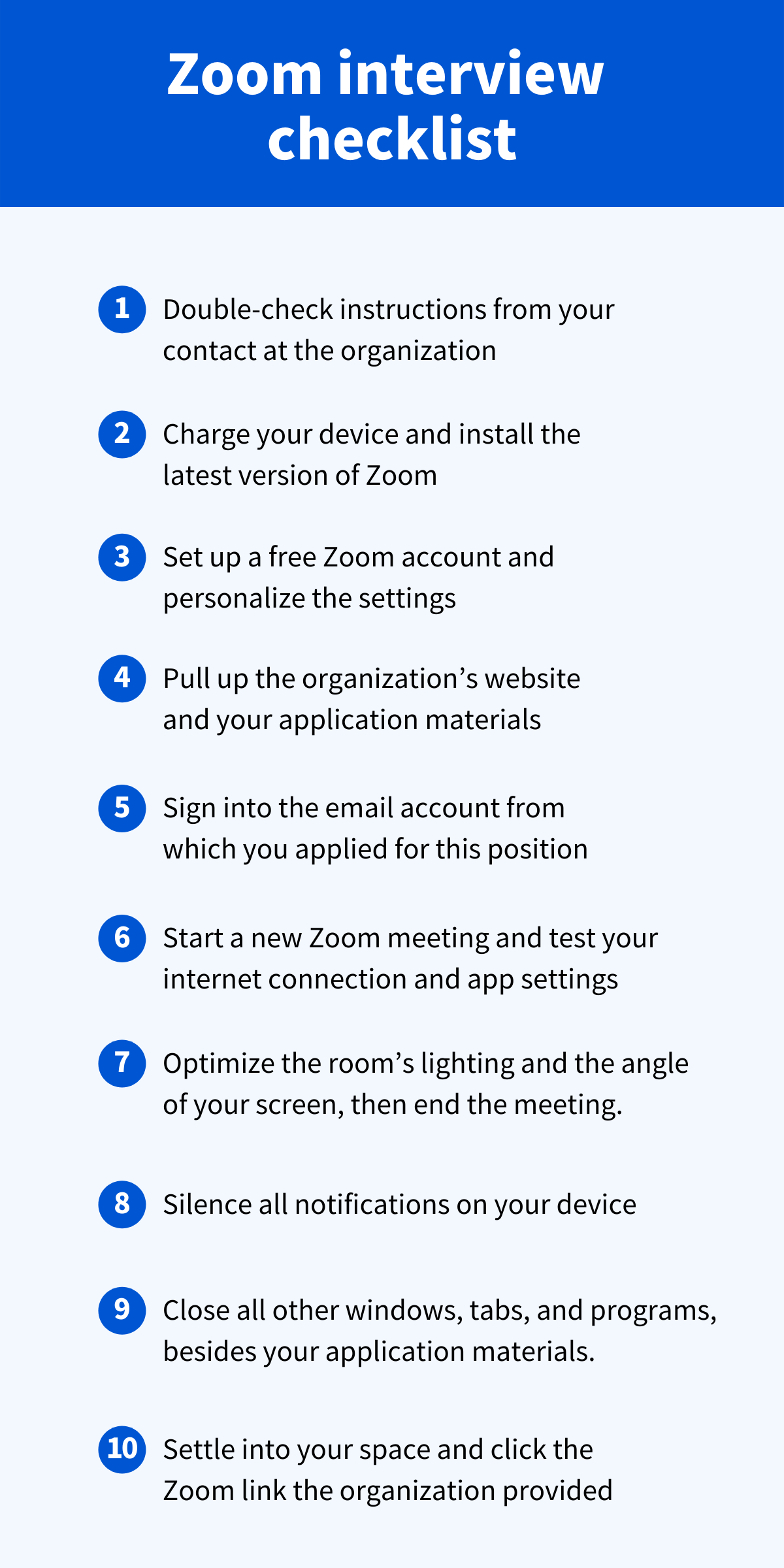
How to Conduct a Mock Interviews the Right Way
Mock interview only work when done correctly. Otherwise, they become casual conversations.
Follow This Simple Structure
- Dress like a real interview
- Set a time limit
- Ask role-specific questions
- Answer without interruptions
- Get honest feedback
- Improve and repeat
Meanwhile, treat mock interview seriously. The more realistic they feel, the more effective they become.
Common Mistakes Candidates Make With Mock Interviews
Ironically, candidates often waste mock interview by making these mistakes:
- Treating them casually
- Ignoring feedback
- Practicing only once
- Memorizing answers
- Avoiding difficult questions
To benefit fully, mock interviews must be consistent and intentional.
How Many Mock Interviews Are Enough?
There’s no fixed number. However, a simple guideline helps.
- Freshers: 3–5 mock interviews
- Experienced professionals: 2–3 focused sessions
- Leadership roles: Role-specific mock rounds
Each session should focus on improvement, not perfection.
Why Mock Interviews Build Real Confidence
Confidence doesn’t come from motivation videos. Instead, it comes from familiarity.
Mock interviews:
- Reduce fear of the unknown
- Make interviews feel routine
- Improve response speed
- Increase self-belief
When interview day arrives, your brain treats it like “just another practice.” That calmness shows.
Conclusion: Mock Interviews Are the Shortcut Most Candidates Skip
Most candidates prepare alone. Smart candidates prepare with feedback. That’s the real difference. Understanding the power of mock interviews for success helps you convert preparation into performance.
If you’re serious about cracking interviews not just attending them mock interviews should be non-negotiable. Practice doesn’t make perfect. Focused practice makes confident.
Read Previous Article on Career Guidance
Mock Interviews – FAQs
1. Are mock interviews really worth the time?
Yes. They significantly improve clarity, confidence, and interview readiness.
2. Can mock interviews replace real interviews?
No. However, they prepare you to perform better in real ones.
3. Should freshers do mock interviews?
Absolutely. Mock interviews help freshers compensate for lack of experience.
4. What if I feel awkward during mock interviews?
That discomfort is a sign of growth. It fades quickly with repetition.
5. Are AI mock interviews effective?
They’re useful for practice, but human feedback is more impactful.