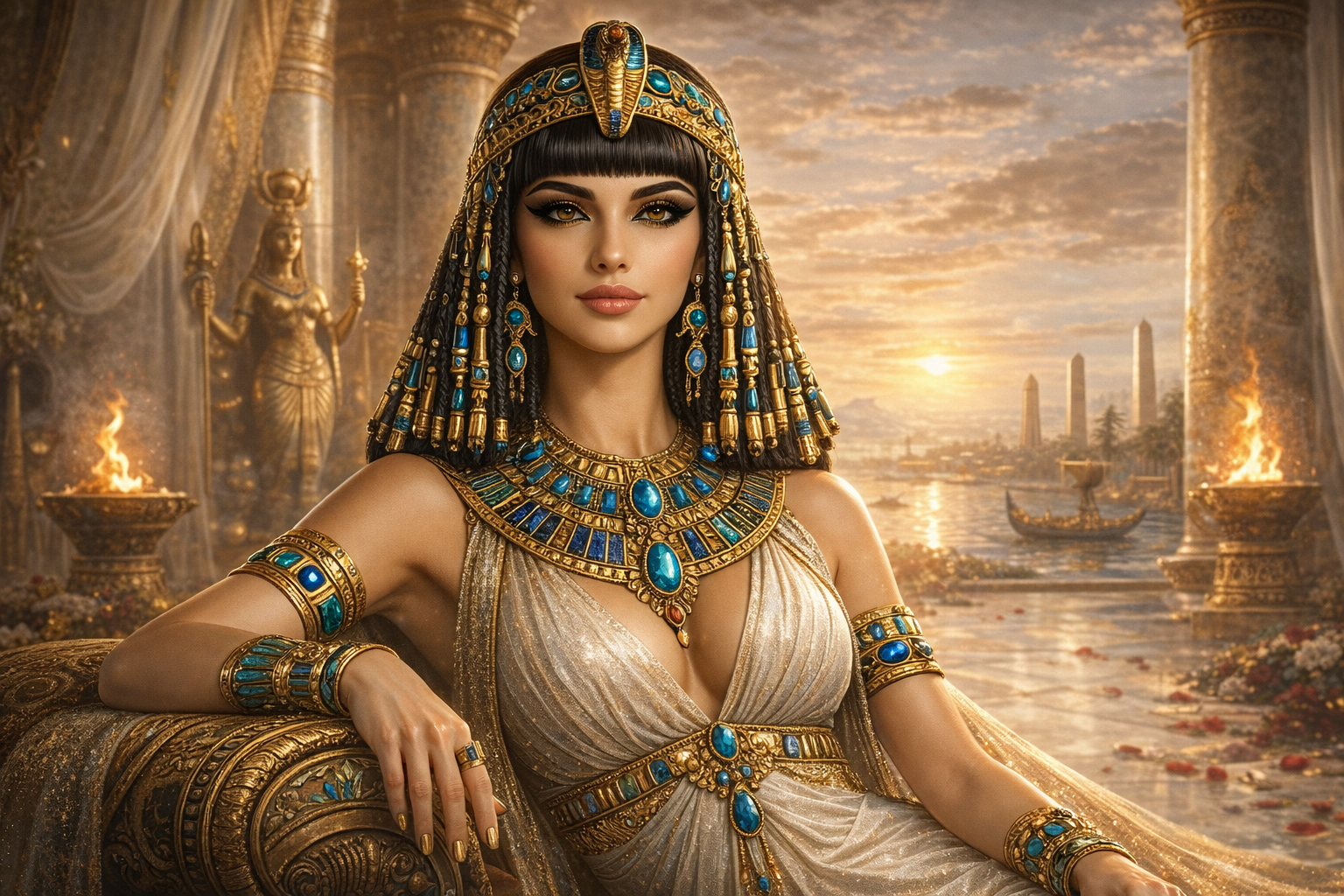
Cleopatra is usually imagined as a distant figure from deep antiquity.
Golden palaces.
Stone temples.
A world frozen somewhere near the pyramids.
But this image is deeply misleading.
Here’s the forgotten historical timeline that changes everything we think we know:
Cleopatra lived closer to the Moon landing than to the construction of the Great Pyramids.
Once you see the dates, Cleopatra stops feeling ancient. And history stops feeling linear.
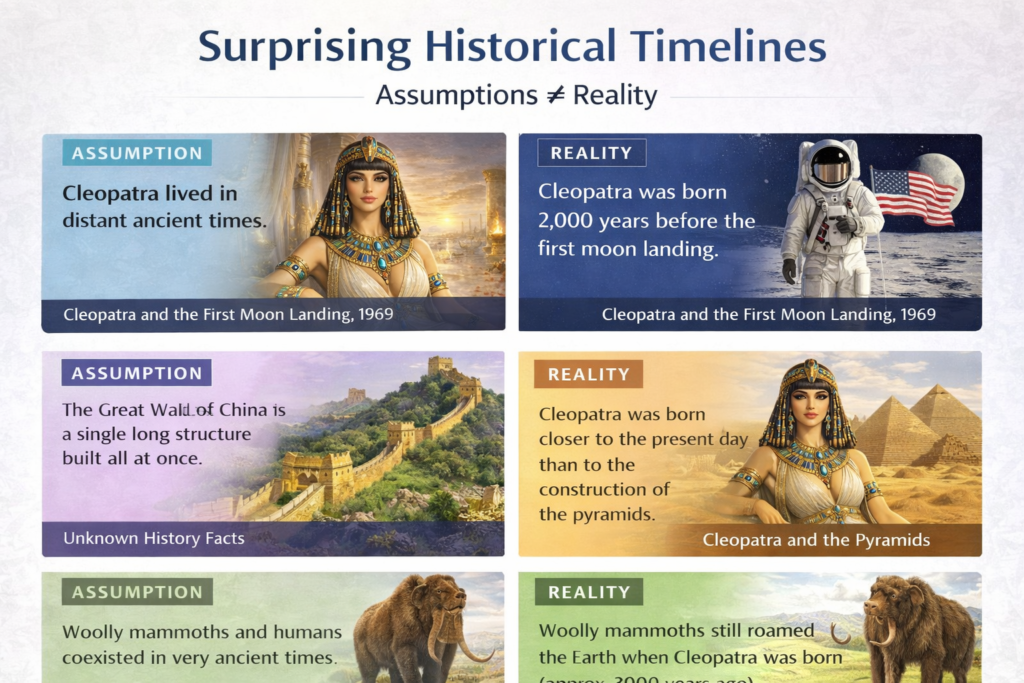
The Forgotten Historical Timeline in Simple Numbers
This timeline sounds impossible until the math makes it unavoidable.
When Were the Great Pyramids Built?
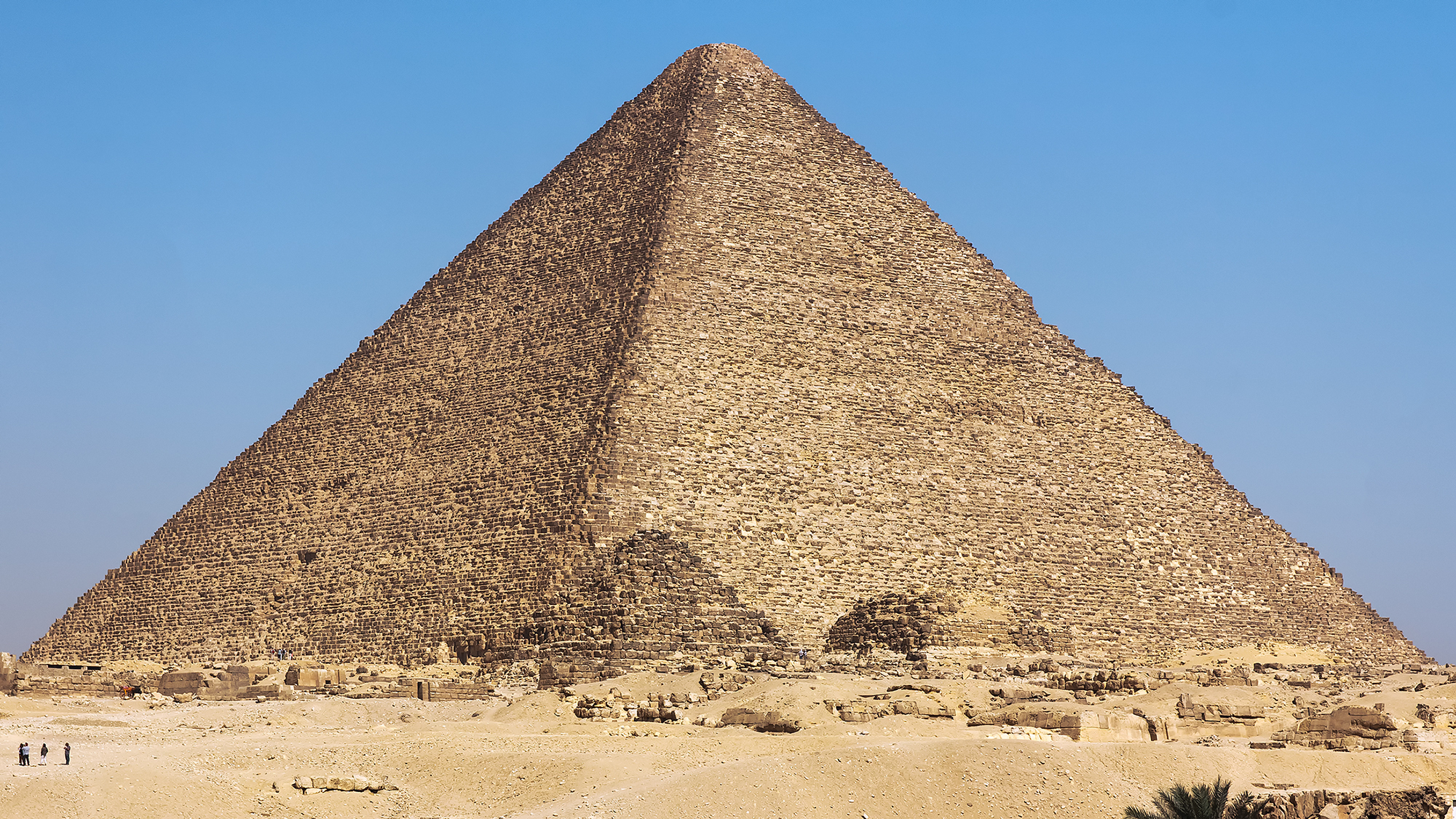
The Great Pyramid of Giza was completed around 2560 BCE.
That’s over 4,500 years ago.
It was already ancient even in Cleopatra’s time.
When Did Cleopatra Live?
Cleopatra VII was born in 69 BCE and died in 30 BCE.
By the time she ruled Egypt:
- The pyramids were over 2,500 years old
- They were older to her than Shakespeare is to us today
When Did Humans Land on the Moon?
The first Moon landing occurred in 1969 CE.
The time gap:
- Cleopatra → Moon landing: ~2,000 years
- Pyramids → Cleopatra: ~2,500 years
She lived closer to astronauts than to pyramid builders.
That single fact flips our historical intuition upside down.
Why This Timeline Feels So Wrong
This timeline feels wrong because of how we mentally label history.
We group:
- Egypt = ancient
- Space travel = modern
But labels are emotional shortcuts not accurate timelines.
She ruled a world that already had:
- Libraries and formal education
- Global trade networks
- Political propaganda
- Complex diplomacy
She lived in a world that feels surprisingly familiar.
Cleopatra’s World Was Not Primitive
She was not a relic of pyramid builders.
She was:
- Highly educated
- Fluent in multiple languages
- A strategic political leader
- Closely involved in Roman geopolitics
She interacted with figures like Julius Caesar and Mark Antony, not stone-age kings.
The forgotten historical timeline shows that she stood at the end of ancient Egypt, not the beginning.
The Pyramids Were Already Ancient Monuments
To Cleopatra, the pyramids were:
- Historical landmarks
- Symbols of a distant golden age
- Monuments from a past she did not belong to
Just as medieval castles feel ancient to us,
the pyramids felt ancient to Cleopatra.
This context changes how we understand Egypt’s long civilization.
Why This Forgotten Timeline Changes Everything We Know
This fact matters far beyond trivia.
1. It Breaks the Myth of “One Ancient Egypt”
Egyptian history spans over 3,000 years. She ruled near the very end of it.
2. It Challenges How We Imagine Progress
History does not reset between eras.
Civilizations build on long, layered pasts.
3. It Makes History Human Again
She becomes a real person in a complex world not a distant myth.
Common Misunderstandings About Cleopatra
❌ “She Built the Pyramids”
No. The pyramids were already ancient when she ruled.
❌ “Cleopatra Was Purely Egyptian”
She was Macedonian Greek by ancestry, ruling Egypt culturally and politically.
❌ “Cleopatra Lived in Prehistoric Times”
She lived closer to modern history than most people realise.
The forgotten historical timeline corrects these errors instantly.
Why Timelines Matter More Than Dates
Dates alone don’t teach history.
Timelines do.
When we see events side by side, rather than isolated, our understanding deepens.
This is why forgotten historical timelines are so powerful:
- They expose assumptions
- They restore accuracy
- They reconnect us with the past as lived reality
A Quiet Lesson Hidden in the Timeline
The real lesson here isn’t about Cleopatra. It’s about us. We simplify history to make it easier to remember but in doing so, we distort it.
The forgotten historical timeline reminds us that:
The past is not as distant as we think.
And the present is built on layers far deeper than we realise.
Read Article on Unknown Facts
For verified historical timelines, refer to Britanica:
Conclusion: When History Suddenly Feels Close
She lived closer to the Moon landing than to the construction of the pyramids.
This isn’t a trick fact. It’s a reminder.
History isn’t a straight line moving from ancient to modern. It’s a long conversation across time.
And when we rediscover forgotten timelines, we don’t just learn history we understand it.
FAQs – Forgotten Historical Timeline about Cleopatra
1. Did she really live closer to the Moon landing?
Yes. The pyramids were built over 2,500 years before Cleopatra, while the Moon landing happened about 2,000 years after her.
2. Why do people associate Cleopatra with the pyramids?
Because both are symbols of Egypt, even though they belong to very different eras.
3. Was Cleopatra considered ancient in her time?
No. She lived in a highly developed political and cultural world.
4. What does this (Cleopatra) timeline teach us about history?
That civilizations span long periods and should not be compressed into a single era.
5. Why are forgotten timelines important?
They correct assumptions and deepen our understanding of human progress.