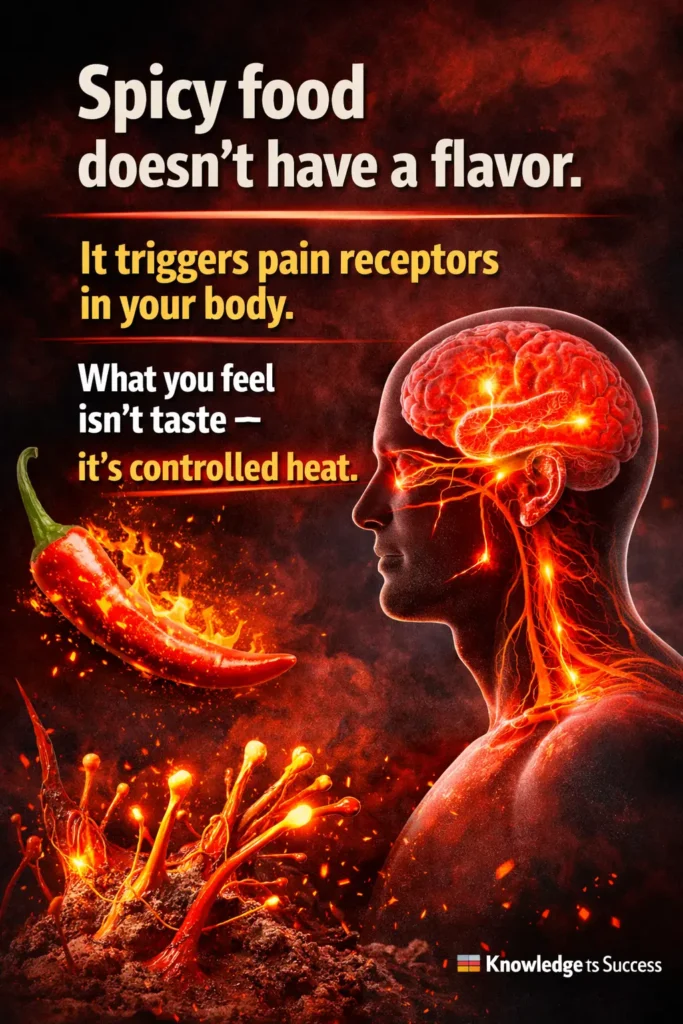
Most people think spicy food has a “flavor.” It doesn’t. What you feel when eating spicy items is not taste, it’s pain.
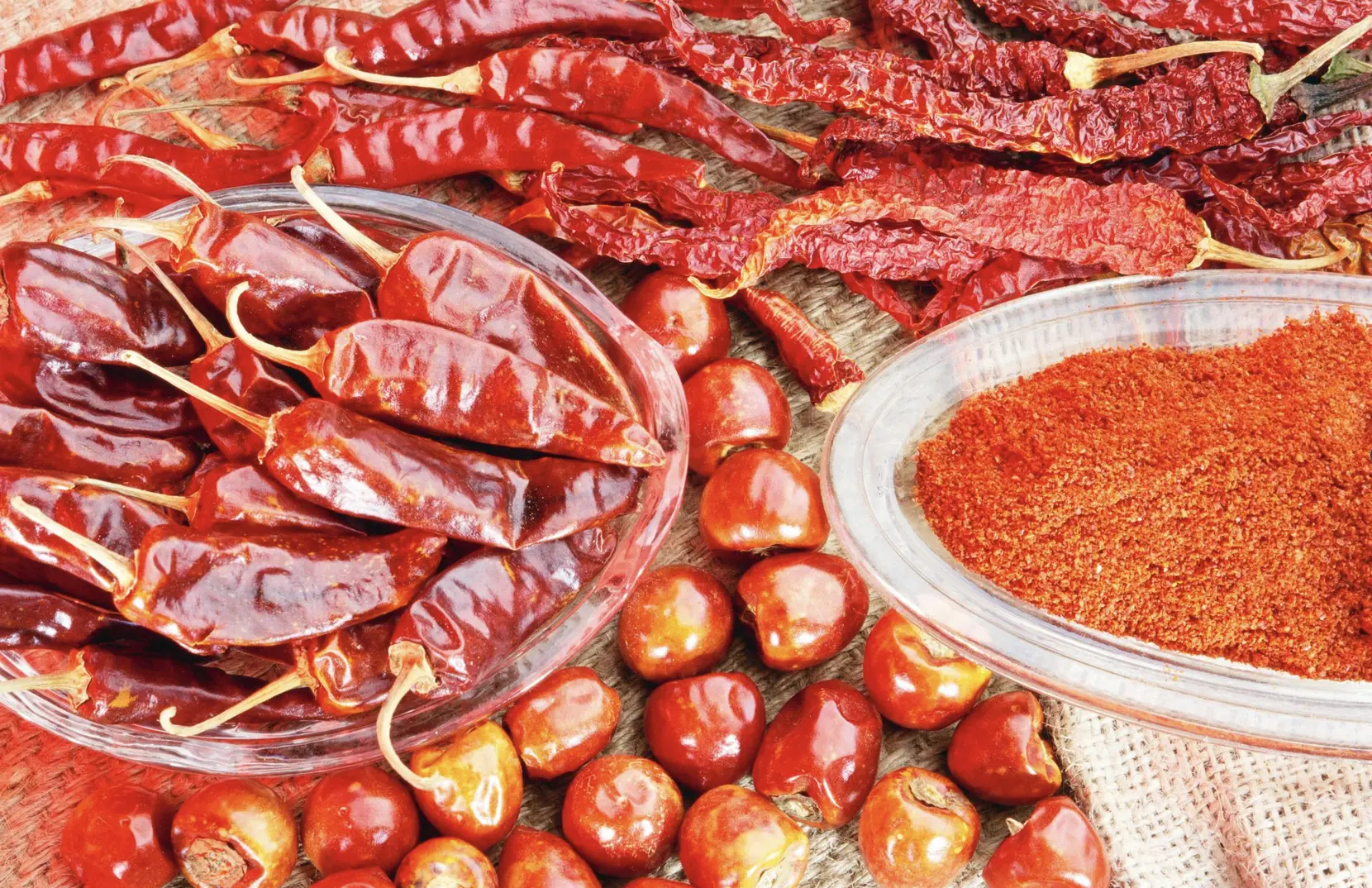
Chili peppers contain a compound called capsaicin, which activates pain receptors in your mouth. It tricks your brain into thinking your tongue is burning.
Here’s the unknown fact: Humans are the only species that intentionally eat and enjoy spicy items.
Other animals avoid it completely. So why do we love something that literally hurts?
Why Spicy Food Burns Instead of Tasting Hot
Spicy food doesn’t stimulate taste buds. It stimulates TRPV1 pain receptors.
These receptors normally respond to:
- Extreme heat
- Physical damage
- Inflammation
Capsaicin binds to these receptors and tells your brain: You are burning. But you are not.
This is why:
- Your face turns red
- You sweat
- Your heart rate increases
It’s a false alarm, but your body reacts as if it’s real.
Why Animals Avoid Spicy Food Naturally
Most mammals avoid spicy items immediately. Why? Because evolution taught them to. Chili peppers evolved capsaicin as a defense mechanism to stop mammals from eating them.
Interestingly:
- Birds are not affected by capsaicin
- Mammals are
Plants evolved spicy items to protect their seeds. Humans, however, ignored the warning.
Why Humans Enjoy Spicy Food Despite the Pain
This is where it gets fascinating.
When you eat spicy food:
- Pain receptors activate
- Your brain thinks you’re in danger
- Your body releases endorphins
- Dopamine is triggered
Endorphins reduce pain. Dopamine creates pleasure. The result?
A mild natural high. Spicy items becomes a controlled risk, like a roller coaster.
You experience danger without real harm.

Why Spicy Food Became Popular in Hot Climates
Another unknown fact:
Spicy food is common in:
- India
- Mexico
- Thailand
- Southeast Asia
Why?
Capsaicin has antibacterial properties.
In hot climates where food spoils faster:
- Spices helped preserve food
- Reduced harmful bacteria
- Improved safety
Over time, what started as protection became culture.
Today, spicy food is identity.
Why Some People Love Extremely Spicy Food
Not everyone enjoys spicy items equally.
Some people actively seek:
- Extra hot sauces
- Ghost peppers
- Extreme spice challenges
This connects to personality traits.
Research suggests spice lovers often:
- Enjoy thrill-seeking
- Have higher sensation tolerance
- Seek controlled risk experiences
Spicy food becomes a safe adrenaline rush.
Why Spicy Food Is a Psychological Experience
Spicy food is not about taste alone.
It involves:
- Pain
- Reward
- Culture
- Social identity
In many societies, tolerating spicy food is seen as:
- Strength
- Maturity
- Cultural belonging
That psychological layer makes spicy items even more enjoyable.
Common Myths About Spicy Food
❌ Spicy food damages your tongue
It activates pain receptors, but does not burn tissue permanently.
❌ Animals love spicy food too
Most mammals avoid it immediately.
❌ Spicy food has a flavor
The heat is pain, not taste.
Why This Unknown Fact Matters
This simple question reveals something deeper.
Humans are the only species that:
- Transform pain into pleasure
- Turn biological defense into cuisine
- Convert survival chemicals into culture
Spicy food is not just food.
It’s evolution, psychology, and chemistry combined.
Read more articles on Unknown Facts
———-
For scientific explanation of capsaicin and pain receptors
Conclusion: Spicy Food – Pain That Became Pleasure
Spicy food was designed to stop mammals from eating plants. Humans decided to enjoy it instead.
That decision reveals something powerful about our species:
We are not just survivors. We are explorers, even of discomfort.
And sometimes, the burn is the point.