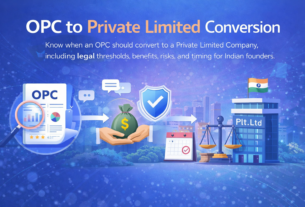
Business Structure is one of the first decisions every entrepreneur makes, yet many founders underestimate its long-term impact.
Most business owners focus on products, customers, and revenue. However, the wrong Business Structure can quietly increase taxes, compliance costs, and administrative burden year after year.
Two businesses earning the same revenue may end up paying very different amounts in taxes simply because they operate under different legal structures.
Choosing the right Structure of Business is not just a legal decision. It is also a financial decision that affects profitability, fundraising opportunities, and future growth.

Why Business Structure Matters for Tax Planning
A Business Structure determines:
- How profits are taxed
- Compliance requirements
- Ability to raise funding
- Ownership flexibility
- Long-term scalability
Many founders choose a structure based only on registration costs. However, tax implications often become much larger than incorporation expenses.
A smart Structure of Business can help retain more profits and reduce unnecessary compliance expenses.
Understanding Popular Business Structure Options in India
Sole Proprietorship
The simplest Business Structure.
Characteristics:
- Single owner
- Minimal compliance
- Personal and business income treated together
Advantages:
- Easy setup
- Low cost
Disadvantages:
- Unlimited liability
- Limited fundraising opportunities
- Higher tax burden as income grows
One Person Company (OPC)
An OPC combines simplicity with corporate benefits.
Characteristics:
- Single owner
- Separate legal entity
- Better credibility than proprietorship
Advantages:
- Limited liability
- Professional image
Disadvantages:
- More compliance than proprietorship
- Restrictions on growth in certain situations
Limited Liability Partnership (LLP)
An LLP is a popular Business Structure for consultants, agencies, and professional firms.
Advantages:
- Limited liability
- Lower compliance compared to companies
- Flexible management
Disadvantages:
- Less attractive to investors
- Limited fundraising options
Private Limited Company
A Private Limited Company is often considered the most scalable Structure of Business
Advantages:
- Investor-friendly
- Easy equity allocation
- Strong credibility
Disadvantages:
- Higher compliance
- More governance requirements
Business Structure and Tax Impact
The same revenue can result in different tax outcomes depending on the Structure of Business.
| Business Structure | Tax Efficiency | Compliance | Funding Potential |
|---|---|---|---|
| Sole Proprietorship | Moderate | Low | Low |
| OPC | Good | Medium | Medium |
| LLP | Good | Medium | Medium |
| Private Limited Company | Excellent for growth | High | High |
The best choice depends on your revenue, goals, and future plans.
Read Previous Article on Startup Guides India.
https://ras4u.in/category/startup-guides-india/
Common Business Structure Mistakes That Increase Taxes
Choosing Based Only on Registration Cost
Many founders select the cheapest option without considering future tax impact.
This often leads to higher overall costs.
Delaying Business Structure Changes
A structure that works at ₹5 lakh revenue may not be suitable at ₹50 lakh or ₹5 crore.
As businesses grow, tax efficiency requirements change.
Ignoring Compliance Costs
Tax savings should not be viewed in isolation.
Structure of Business with lower taxes but extremely high compliance may not always be beneficial.
Not Planning for Funding
Investors generally prefer Private Limited Companies.
Choosing the wrong structure early may require costly restructuring later.
How to Choose the Right Business Structure
Choose Sole Proprietorship If
- You are testing an idea
- Revenue is low
- Fundraising is not a priority
Choose OPC If
- You are a solo entrepreneur
- You want limited liability
- You need professional credibility
Choose LLP If
- You run a service business
- Multiple partners are involved
- External funding is not a priority
Choose Private Limited Company If
- You plan to scale aggressively
- You expect investor interest
- You want maximum growth flexibility
Business Structure Selection Framework
Before deciding, ask:
Revenue
How much do you expect to earn over the next three years?
Funding
Will you seek investors?
Liability
Do you need protection for personal assets?
Growth
How quickly do you plan to expand?
Answering these questions makes Business Structure selection easier.
What Investors Prefer
Most investors prefer Private Limited Companies because they provide:
- Equity flexibility
- Better governance
- Clear ownership records
According to Harvard Business Review, governance structure significantly influences investor confidence.
You can also review company regulations through the official Ministry of Corporate Affairs website.
Real Founder Insight
Many founders focus heavily on saving money during registration.
Ironically, they often lose far more money later because they selected the wrong Structure.
A Business Structure should support growth, not just reduce initial expenses.
Conclusion
Choosing the right Structure is one of the most important decisions a founder makes.
The wrong structure can increase taxes, create compliance headaches, and limit fundraising opportunities.
The right Business Structure helps:
- Improve tax efficiency
- Support growth
- Attract investors
- Reduce future restructuring costs
Before registering your business, evaluate your long-term goals instead of focusing only on short-term savings.
The structure you choose today can influence your success for years to come.
FAQs
1. Why is Business Structure important for taxes?
Business Structure determines how profits are taxed and what compliance obligations apply.
2. Which Business Structure is best for startups?
Private Limited Company is usually preferred for startups seeking growth and investment.
3. Can Business Structure be changed later?
Yes, but restructuring can involve additional costs and compliance requirements.
4. Is LLP better than Private Limited Company for tax savings?
It depends on revenue, funding plans, and long-term goals.
5. How do I choose the right Business Structure?
Evaluate revenue expectations, funding needs, liability protection, and growth plans